
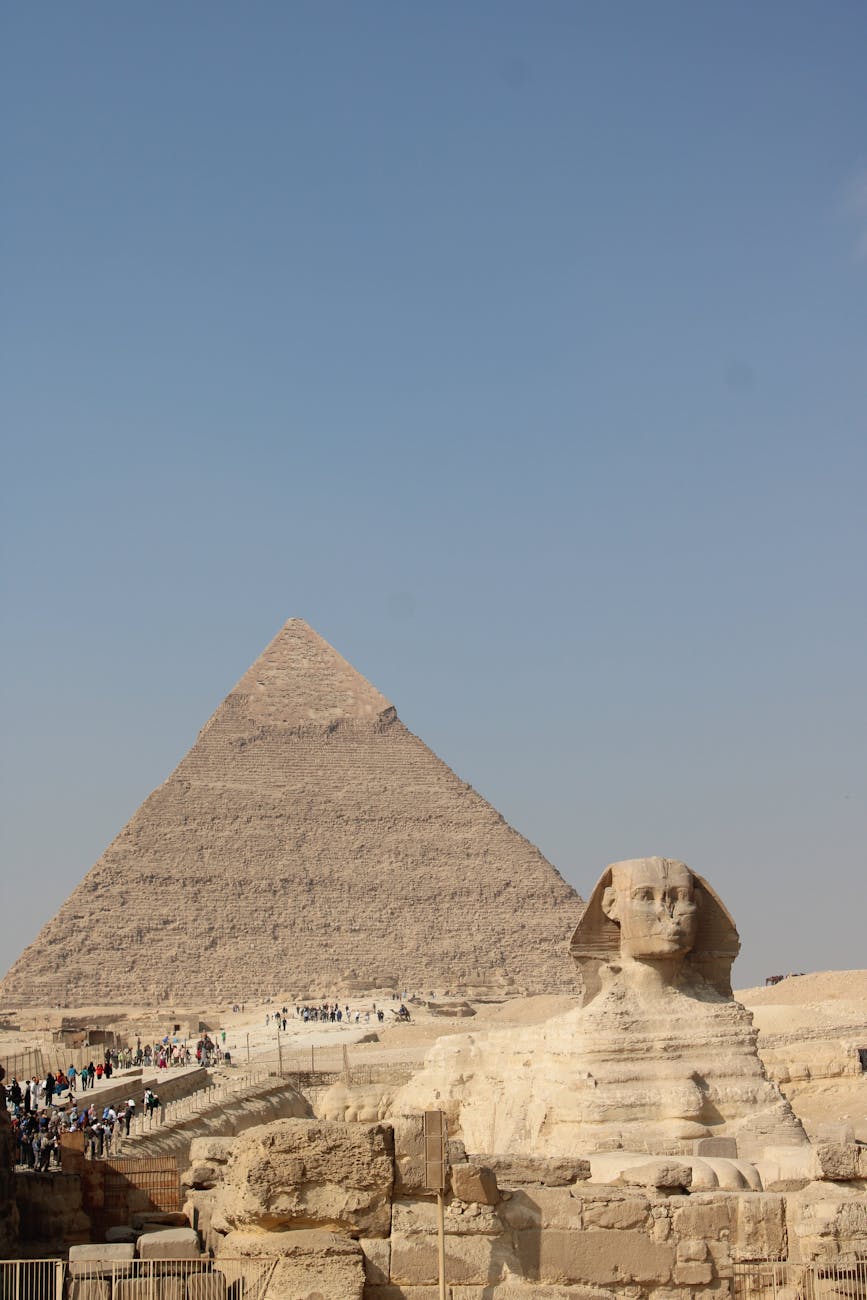
There are some places you read about once and never forget, and for me, Egypt has always been one of them. Ever since I was a kid, I’ve been fascinated by pyramids, pharaohs, and ancient civilizations.
Egypt, especially Cairo and the Giza Plateau, is a place where history feels almost unreal, with ancient landmarks rising out of the desert and layers of culture built over thousands of years. It’s the kind of setting that doesn’t just exist in textbooks and novels, but feels alive through its scale, energy, and symbolism.

Reading The Alchemist by Paulo Coelho felt like stepping into a place I had already daydreamed about for years. The novel follows Santiago, a young shepherd who travels across North Africa in search of a treasure near the pyramids.
What I enjoyed most about this book is how it turns a physical journey into something more meaningful, exploring ideas about purpose, risk, and the importance of following your dreams.
The story is simple but powerful, focusing less on the plot, and more on the lessons Santiago learns along the way. I like how it makes you think about your own goals while still feeling like you’re traveling alongside him.
Here are ten places that bring the setting of Cairo and the pyramids to life – whether you’re actually planning a trip there, armchair traveling like me, or just following along while reading the book…
Following Santiago: A Literary Map of Cairo & the Pyramids
Giza

How could one talk about a dream-trip to Egypt and not start with the pyramids! The Great Pyramid of Giza, built around 2560 BCE as the tomb of Pharaoh Khufu, is “considered one of the Seven Wonders of the World,” together with its two smaller brothers. These monuments on the west bank of the Nile River “”They “are the last of the wonders still standing,” according to Encyclopedia Britannica.
This iconic landmark represents the final destination of Santiago’s journey in The Alchemist, symbolizing the pursuit of something greater and long sought after. This moment in the book highlights the idea that the journey itself is just as important as the destination.
In real life, the pyramids are about five miles outside Cairo. Visitors can explore the pyramid up close on the Giza Plateau and even enter certain sections of it. Standing beside it gives you a real sense of scale and history that photos can’t fully capture. It’s arguably one of the most recognizable and impactful landmarks in the world, and one of those places that almost doesn’t feel real until you’re standing right in front of it. And yet, it costs only about $14 U.S. to buy a ticket to go inside!
A trip here wouldn’t be complete without visiting the Sphinx of Giza up close. A massive limestone statue believed to have been carved during the reign of Pharaoh Khafre, it represents the mystery and symbolism often associated with ancient Egypt, reinforcing the sense of wonder surrounding Santiago’s journey. It reinforces the deeper themes of the book, especially the idea that not everything is immediately understood. Visitors can see the statue up close and explore the surrounding area. Its scale and presence make it one of the most memorable landmarks near the pyramids. It costs about $7 U.S., but is often included in tour packages with the pyramids, so consider booking on of those.
Just opened in November 2025, the brand new Grand Egyptian Museum houses thousands of years of beautiful history and culture. It will bring the ancient world referenced in the book to life. And let’s face it, there’s no way you can go all the way here in 2026 and NOT visit this well-reviewed, world-class, one-billion dollar museum! It adds context to the civilization Santiago is traveling toward, making his destination feel more real and significant. In person, visitors can see thousands of artifacts, including statues, tools, and preserved objects from ancient Egypt. Walking through the museum helps you better understand the history behind the pyramids and the culture that surrounds them. It is “the world’s largest museum dedicated to a single civilization,” according to the museum’s website. Tickets run about $31 U.S., which is really quite a bargain for all the marvels you can see here!
All of the above places sit on the Giza Plateau. This area emphasizes the openness and isolation that define much of Santiago’s journey. This setting mirrors the challenges and self-discovery he experiences along the way. In real life, visitors can walk through the desert, view the pyramids from different angles, and experience the scale of the landscape. The openness and quiet of the desert create a completely different atmosphere from the city just minutes away.
Cairo
After taking in the ancient wonders of Giza, heading into Cairo gives you a completely different perspective on Egypt. It feels more alive, fast paced, and layered with history at every turn, much like the later stages of Santiago’s journey when he moves through unfamiliar environments and learns from the world around him.
Al-Azhar Park offers a refreshing break from the intensity of Cairo, giving you space to slow down after the crowded streets and historic sites. What makes it especially unique is that it was built on what used to be a massive landfill, transforming into a 30-hectare green space designed to act as a “green lung at the centre of the historic city,” according to the garden’s website. Walking through the park, you’ll notice a mix of open lawns, shaded pathways, fountains, and elevated viewpoints that give you a full panoramic view of Cairo. The design itself draws from traditional Islamic gardens, with water features and symmetry creating a calm, intentional atmosphere. This space connects directly to The Alchemist through the quieter moments in Santiago’s journey. Just like him, this is a place where you pause, reflect, and take in everything you’ve experienced so far before continuing forward. Entry is typically affordable (around $1 U.S. for adults), and sunset is one of the best times to visit for cooler weather and views.
Not too far from the park, the Cairo Citadel shifts your perspective completely. Built in the 12th century by Saladin, it served as a fortress and later became the “official residence of the rulers of Egypt”. What makes this place stand out isn’t just its history, but its location. This location connects to the deeper historical backdrop of The Alchemist, showing how the places Santiago travels through are shaped by centuries of power, culture, and change. Sitting high above the city, it offers some of the best panoramic views of Cairo, making it well worth the visit. Cost: about $11 U.S. for non-Egyptian citizens, and includes access to multiple landmarks inside the Citadel.
Inside the Citadel, you will find the Mosque of Muhammad Ali, one of Cairo’s most recognizable landmarks. Built in the 19th century, and known as the “Alabaster Mosque” for its marble-covered walls, it is one of Cairo’s most recognizable landmarks. Inside, the open Ottoman-style layout and glowing alabaster surfaces create a calm, reflective atmosphere that naturally makes you slow down Just like the novel, this place highlights the blend of cultures and beliefs Santiago encounters throughout his journey. Stepping inside feels like entering a completely different space. It is quiet, open, and detailed in a way that naturally makes you slow down and observe your surroundings more closely. The ticket here is included in the one for the Cairo Citadel.
From there, the energy shifts again as you head into Khan-el-Khalili Market, which honestly feels like the heart of Cairo. Dating back to the 14th century, this historic bazaar has long been a center of trade, filled with narrow alleyways, shops, and vendors selling everything from spices to jewelry. Walking through it, you’ll hear people bargaining, smell street food, and see color everywhere. It’s busy and a little chaotic, but that’s exactly what makes it feel real. It connects directly to the busy, unpredictable environments Santiago experiences along his journey, where every interaction has the potential to change his path. Most shops stay open late into the evening, and bargaining is expected, so don’t be afraid to engage and be part of the experience.
Tucked inside the market is El Fishawy Café, one of the oldest coffeehouses in Cairo. Established in 1771 AD, it has hosted kings, princes, and famous artists and intellectuals over the centuries. The café is known for its traditional layout, including narrow seating areas and mirrored interiors that give it a unique, historic feel. If you stop here, try traditional desserts like konafa or basbousa, both sweet pastries soaked in syrup and commonly served in Egyptian cafés. This place reflects the many moments in The Alchemist where conversations with strangers shape Santiago’s journey. Sitting there, even briefly, gives you a sense of that same exchange of ideas and stories. Tea or coffee typically costs just a few dollars, making it an easy and authentic place to sit and take a break while exploring the market.
Just steps away is the Naguib Mahfouz Café, named after Egypt’s Nobel Prize-winning author, connects to the literary side of Cairo and highlights the city’s artistic culture. This spot connects to the storytelling aspect of the novel, where meaning is often found through shared experiences and conversations. Visitors can dine in a setting inspired by Egyptian literature while enjoying traditional dishes like chicken shawarma, or their national dish – Koshari. It offers a more relaxed, sit-down dining experience compared to the surrounding market. It blends food, culture, and storytelling in a meaningful way.
Should you read the book?
Overall, I really enjoyed this book because it’s simple yet meaningful. It’s an easy read that still pushes you to reflect on your own goals and whether you’re actually pursuing them. At the same time, I do wish some parts were more detailed, especially when it comes to certain characters and settings.
As one reviewer from The Guardian describes, the novel is “a singularly inspirational masterpiece,” highlighting how its deeper themes go beyond just the plot and make it so memorable. Personally, I’d describe The Alchemist as less about what happens and more about what it means. It focuses on ideas like following your dreams and paying attention to the signs around you, which is what makes it stand out. It reminded me of The Little Prince, where the message carries more weight than the events themselves.
What makes the novel work so well as a place-based story is that the shifting landscapes mirror Santiago’s internal growth and transformation. From quiet deserts to lively cities, each place reflects a different stage of growth. Location is central to the plot because his journey toward the pyramids drives the entire story, making each stop a necessary step to his personal discovery.
Cairo and the Giza Plateau bring together history, culture, and landscape in a way that feels both ancient and alive. From the pyramids and desert to the cafés and markets, each location adds a different layer to the experience, making the setting feel both ancient and alive at the same time. Even though I haven’t been, mapping out these places made them feel a lot closer, and, honestly, it’s now even higher on my list of places I want to visit.
If you’re drawn to stories that mix travel with self-discovery, this is definitely one to pick up. I’d recommend reading it, especially if you’re looking for something inspiring and easy to get through. I would give it a 4 out of 5 stars. While it’s memorable and thought-provoking, I wish some parts were more detailed and certain characters were more developed, which is also the reason why I knocked off a star. If you liked this, you might also enjoy The Little Prince for a similar reflective and symbolic journey.
Transparency disclosure: Buying through the book links to Amazon on this site could earn Travel Muse Magazine commission, at no cost to you (it comes out of Amazon’s end). Thanks for helping us maintain this site, while also getting a good book to make your travels better!


Leave a Reply